

Splenectomy: what to expect
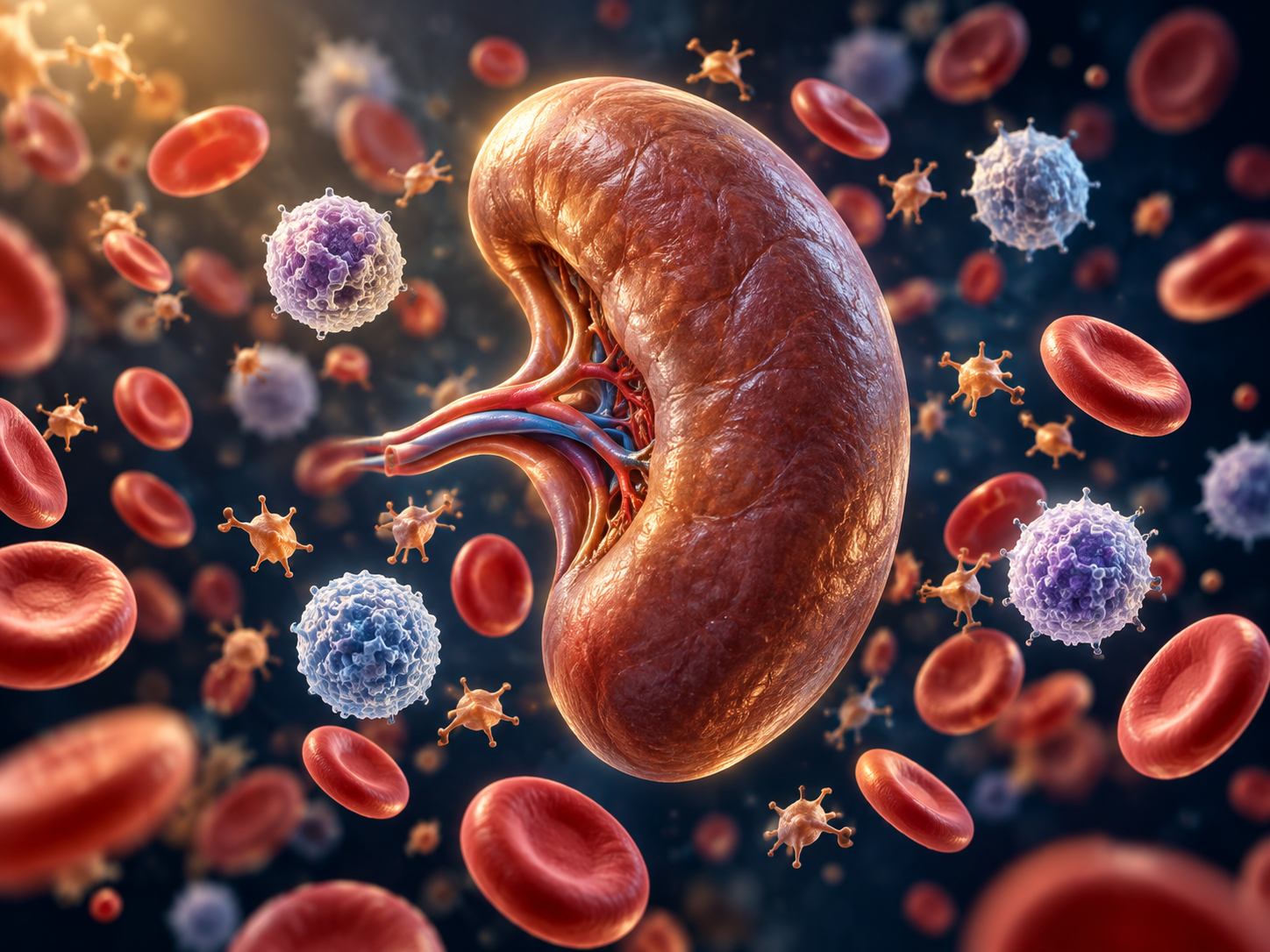
The spleen is located in the upper left part of the abdomen, behind the stomach and beneath the ribs. It contributes to the regulation of blood cells and protection against certain infections. The information below is educational and does not replace individualized medical assessment.
General questions about splenectomy
Can someone live without a spleen?
Yes. The spleen is important but is not essential for survival. Its absence requires infection prevention and prompt assessment of fever.
Can splenectomy be performed laparoscopically or robotically?
In many elective cases it can be performed with a minimally invasive technique. In emergency bleeding, a very large spleen, or certain tumors, an open operation may be necessary.
What is needed after splenectomy?
Specific vaccinations, clear instructions about fever or infection, and, depending on the case, preventive medication or measures to prevent thrombosis are required.
Vaccination and infection prevention after splenectomy
Why are vaccines needed?
The spleen contributes particularly to protection against certain encapsulated bacteria. After splenectomy or with functional asplenia, the risk of severe infection from these organisms is increased. Vaccination is a key part of preparation before elective splenectomy and of care after emergency splenectomy.
Which vaccines are usually discussed?
The individualized program includes vaccination against pneumococcal disease, meningococcal disease, and Haemophilus influenzae type b (Hib), together with annual influenza protection. Additional doses, booster doses, and other vaccines are determined by age, previous vaccination history, any immunosuppression, travel, and the current national immunization schedule.
When are they given?
For an elective splenectomy, vaccines are preferably arranged at least two weeks before the operation. When surgery is an emergency, vaccination is planned after the operation as soon as the patient's clinical condition allows. The exact schedule is determined together with the treating clinician or vaccination team.
Fever after splenectomy
Any fever or sudden illness after splenectomy requires prompt medical assessment. The patient should tell every clinician that they do not have a spleen and follow individualized advice about possible preventive antibiotics, travel, or an animal bite.
This information is general and does not replace individualized medical assessment.
