

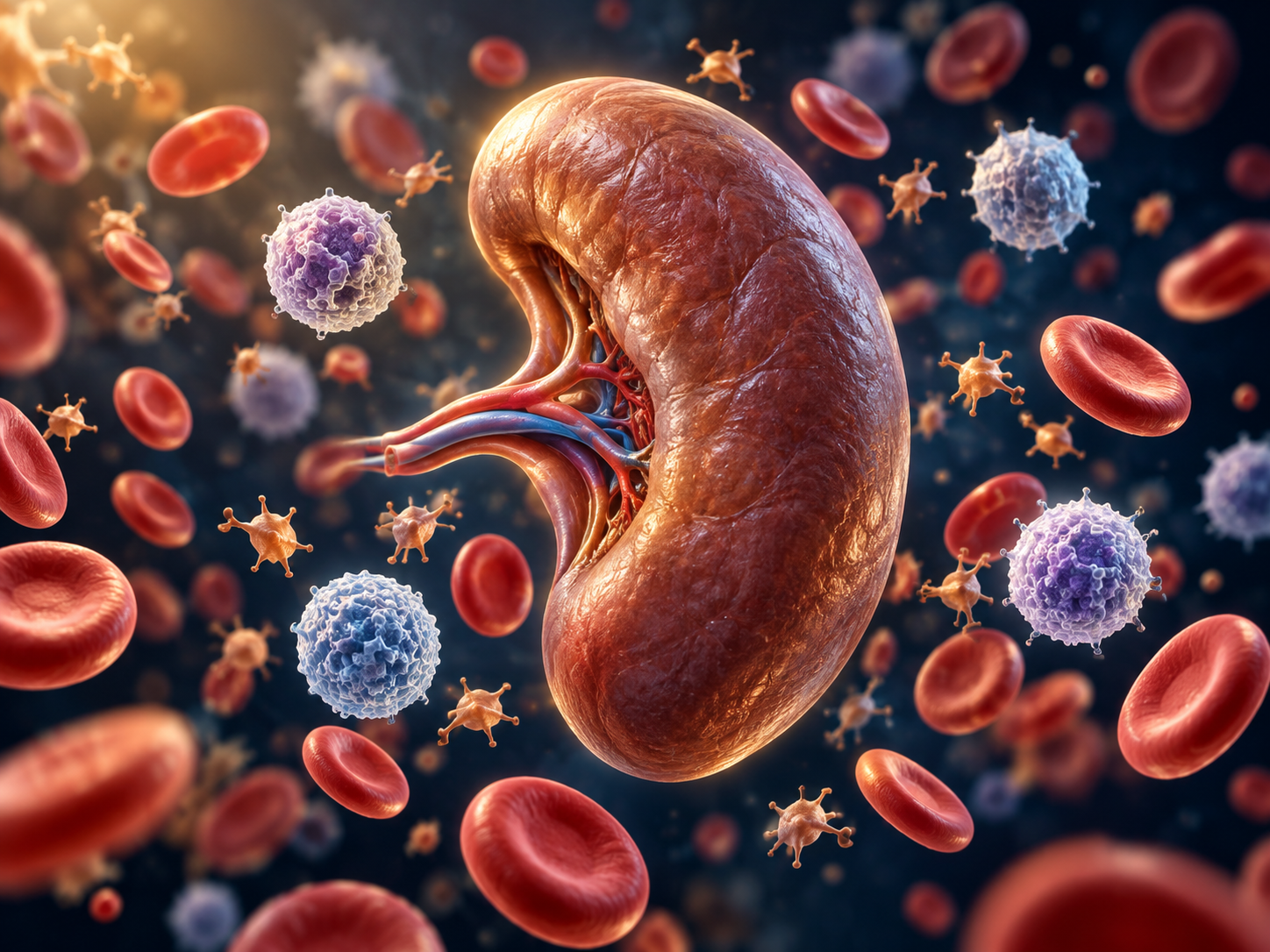
Splenectomy: what to expect
Can you live without a spleen? How splenectomy is performed, which vaccines are needed, and how to reduce the risk of infection after surgery.
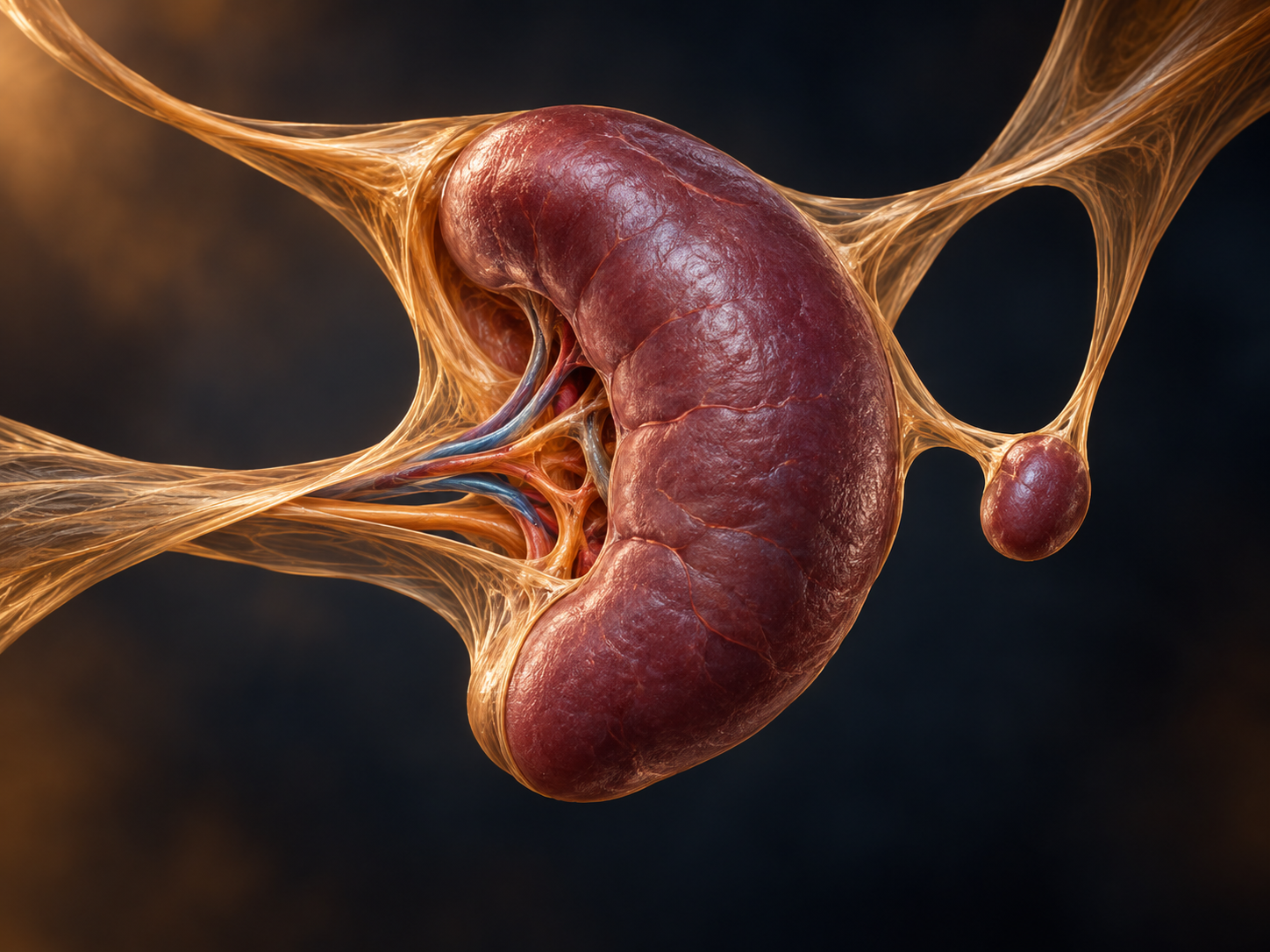
Congenital and anatomical conditions of the spleen
Wandering spleen, splenic torsion, accessory spleen, splenogonadal fusion, and splenosis: how they develop, how they are diagnosed with CT or MRI, and treatment options, including splenopexy.
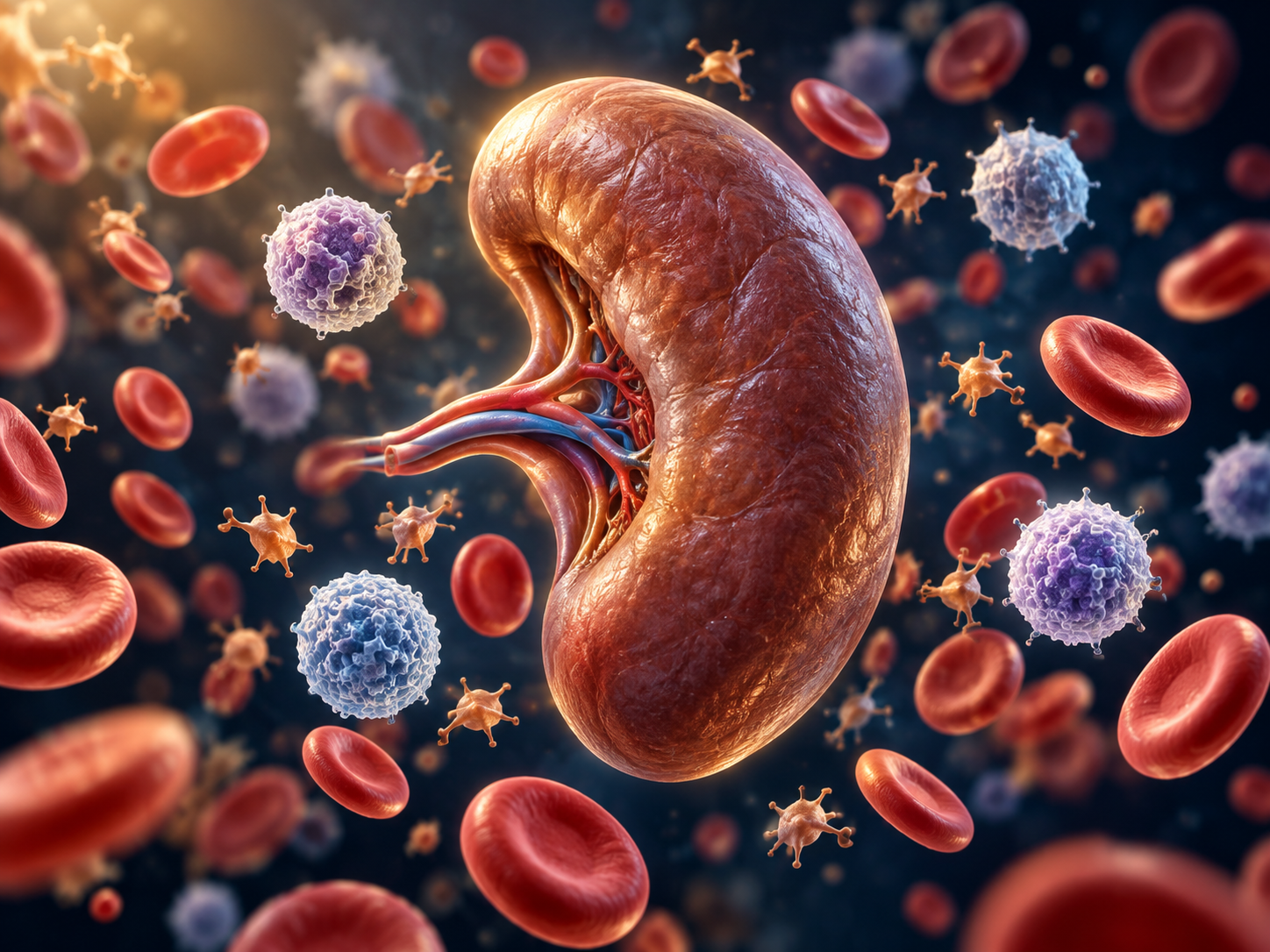
Hematological conditions that may require splenectomy
ITP, hereditary spherocytosis, hemolytic anemia, and other blood disorders in which splenectomy may help: symptoms, hematology assessment, and when surgery is considered.
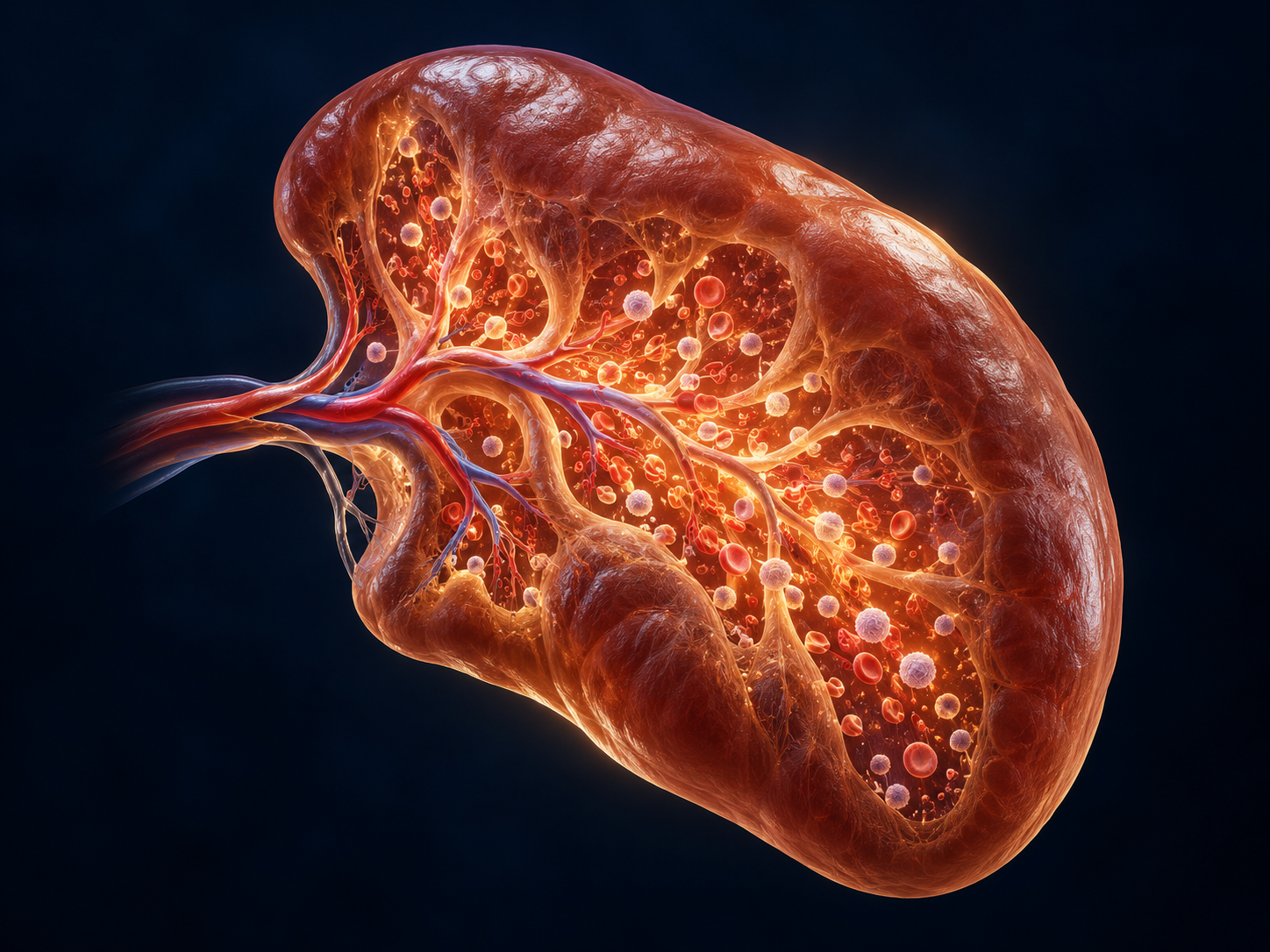
Splenomegaly and hypersplenism
The difference between an enlarged spleen and hypersplenism, common causes, assessment with blood tests and imaging, and when splenectomy may be considered.
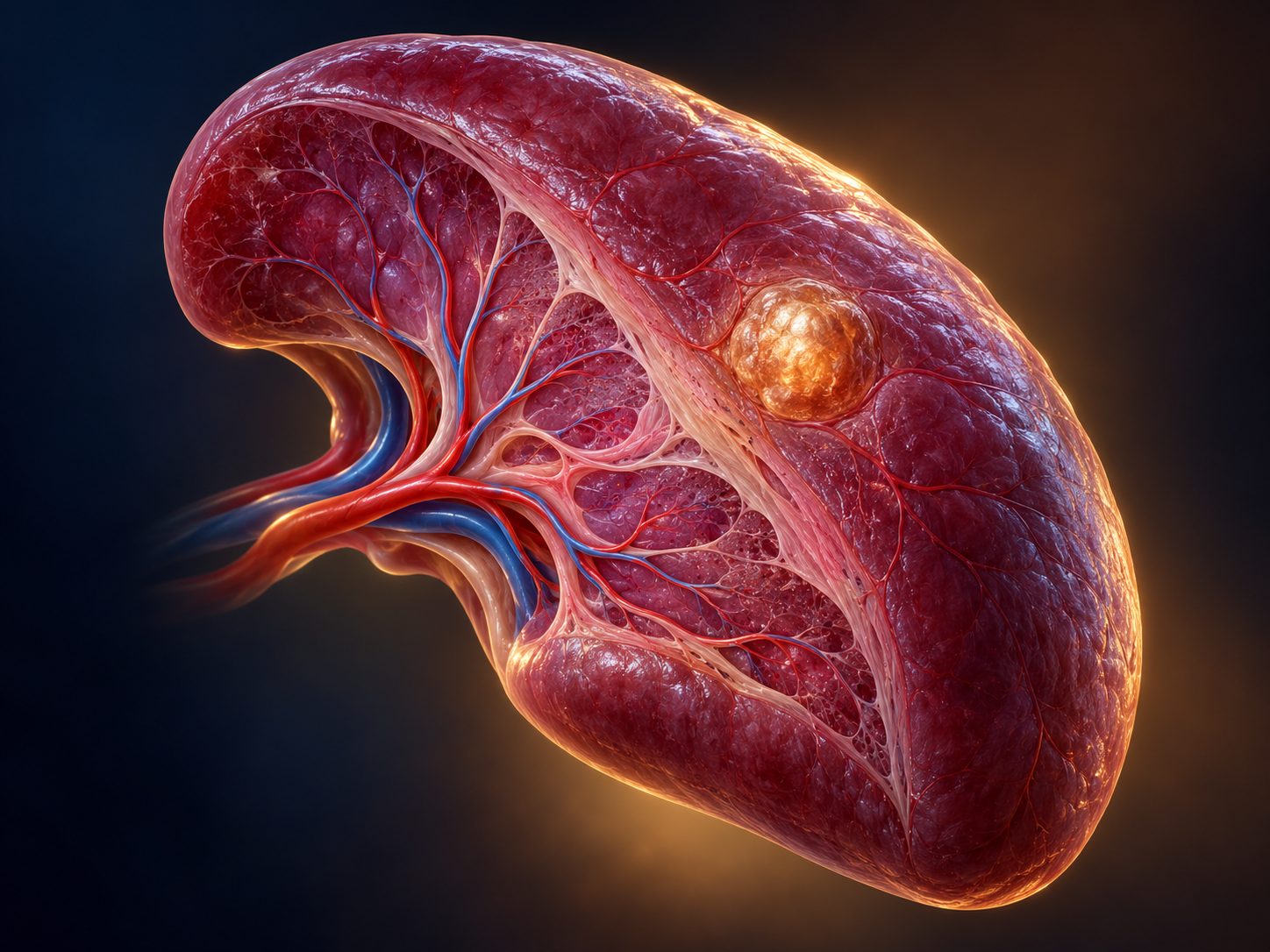
Focal lesions and tumors of the spleen
Hemangioma, hamartoma, lymphangioma, lymphoma, and other focal lesions of the spleen: how they are found, how they are characterized with CT or MRI, and when monitoring or surgery is advised.
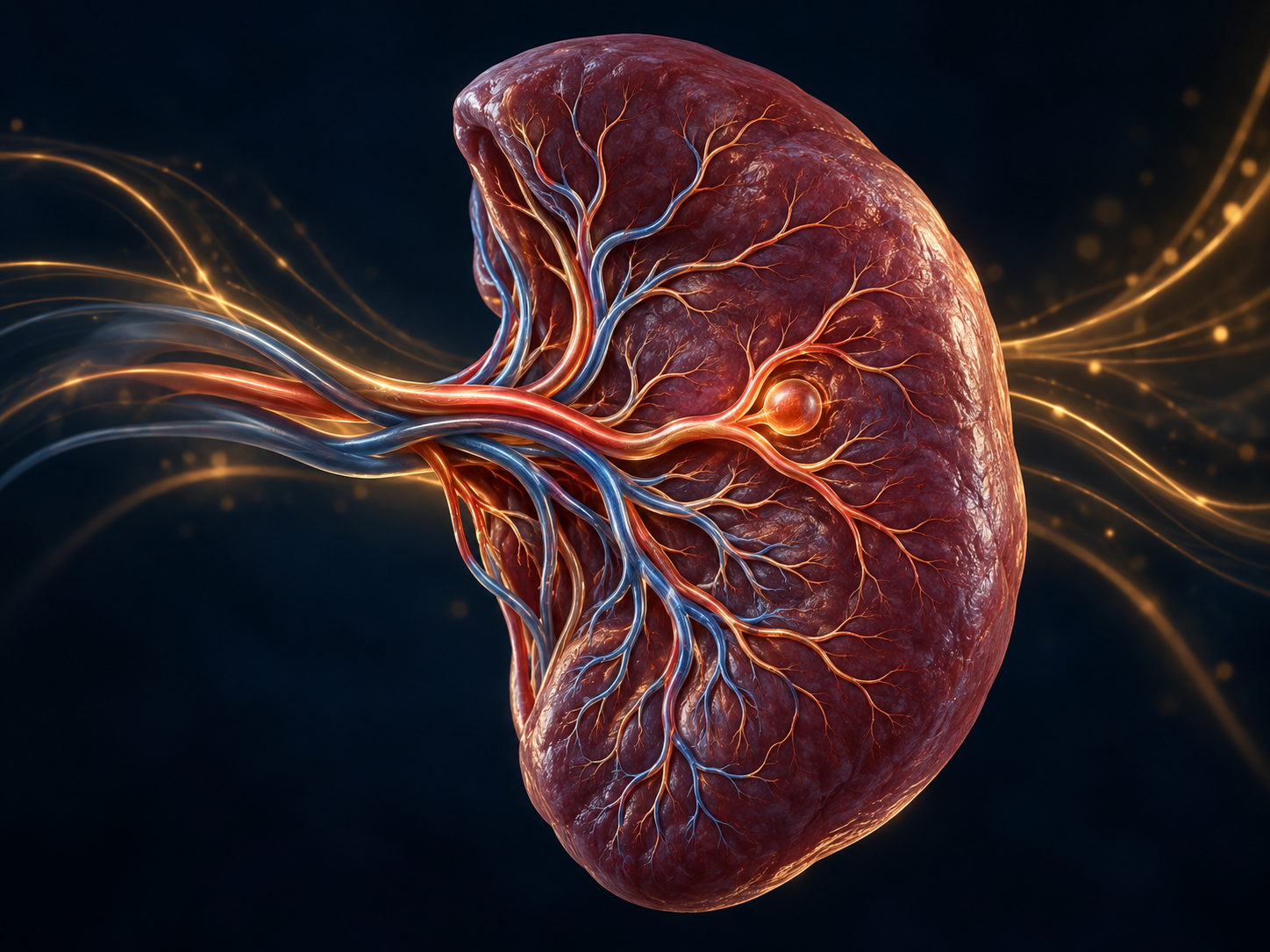
Vascular conditions of the spleen
Splenic infarction, splenic vein thrombosis, and splenic artery aneurysm: causes, symptoms, diagnosis with contrast-enhanced CT, and treatment options, including embolization and surgery.
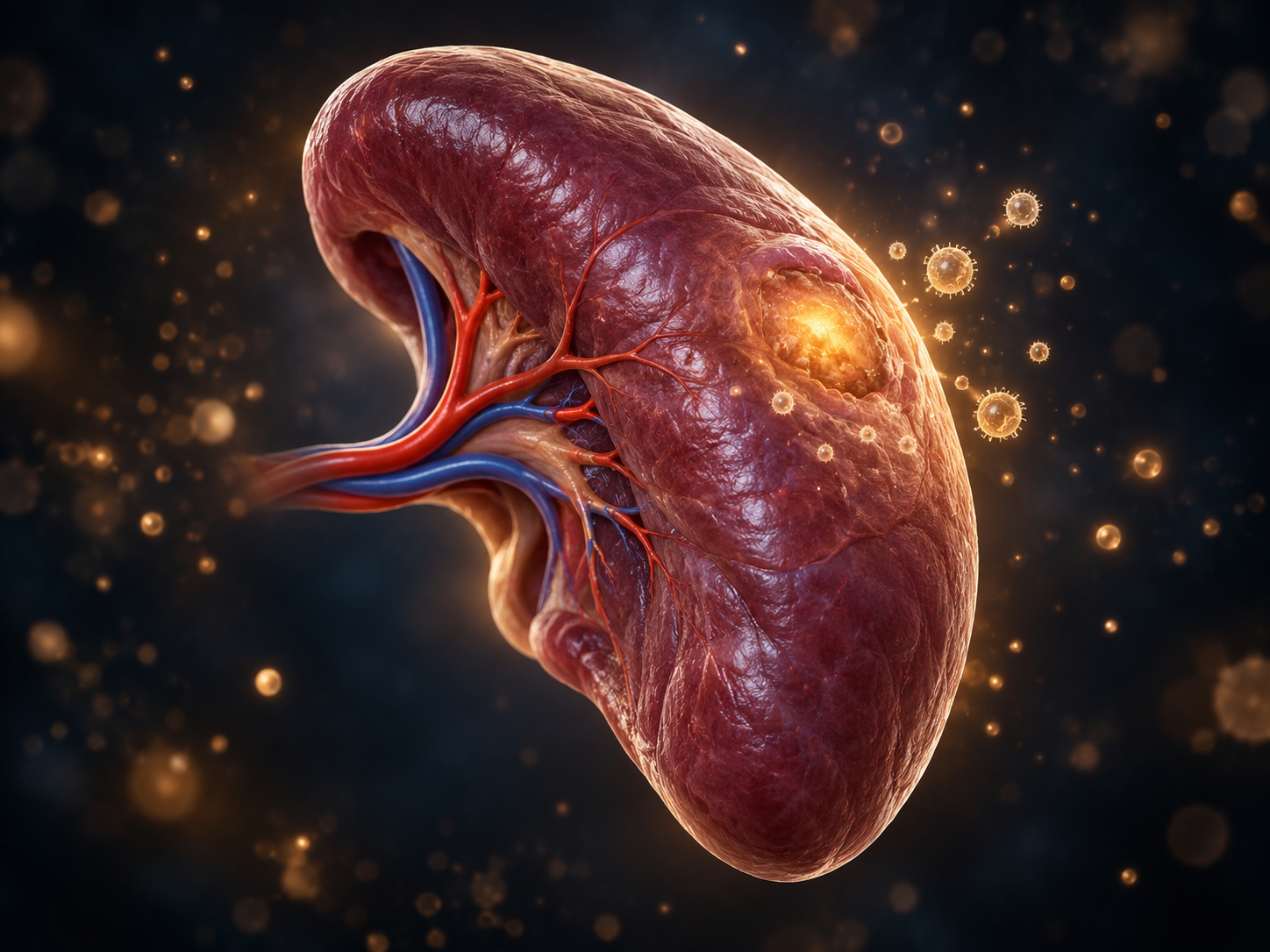
Infections and inflammatory conditions of the spleen
Splenic abscess and other infections or inflammatory conditions of the spleen: how they develop, how they are diagnosed with blood tests and CT, and treatment with antibiotics, drainage, or splenectomy.
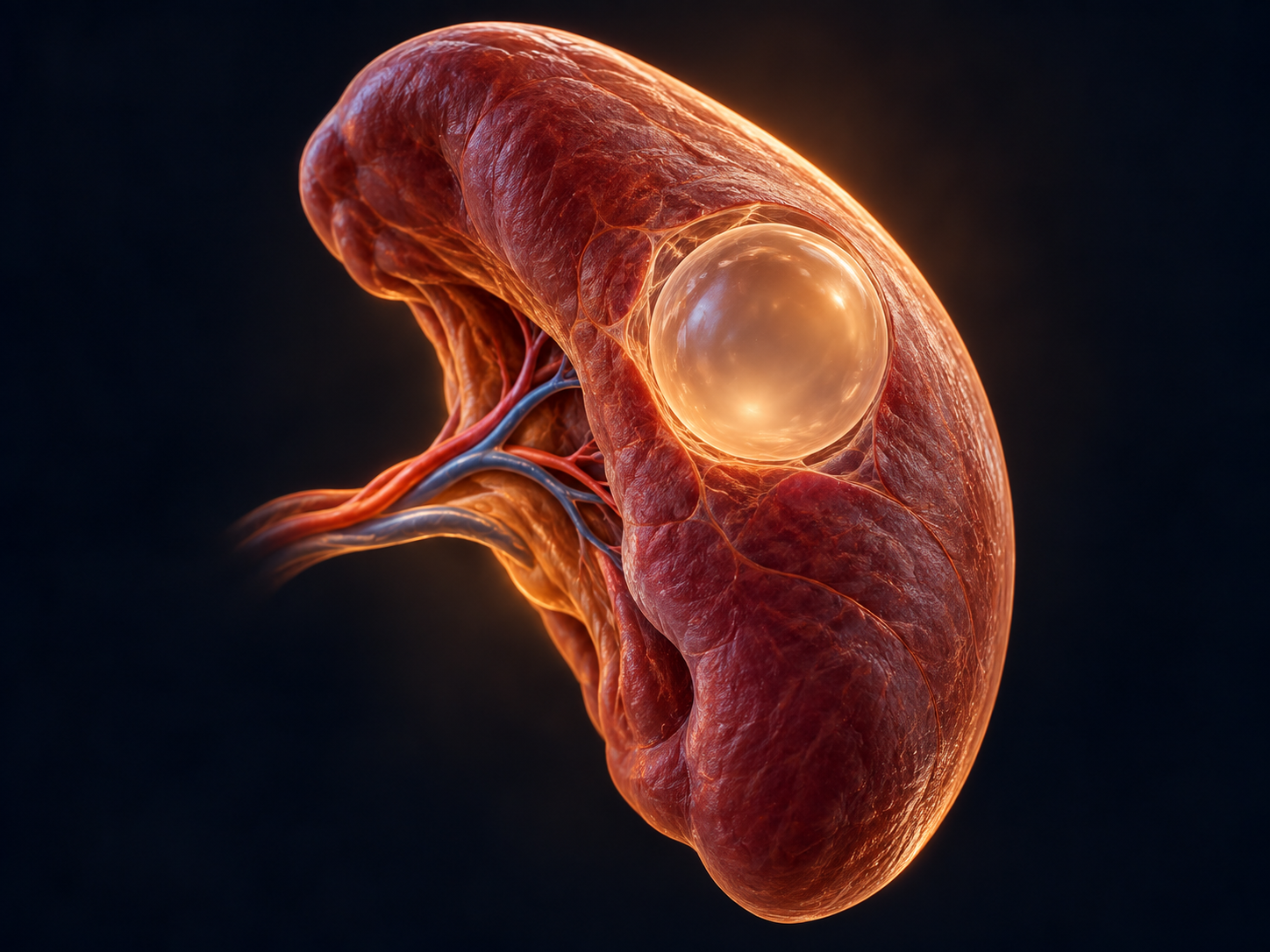
Splenic cysts and parasitic conditions
Splenic cysts are fluid-filled cavities that may be congenital, post-traumatic, or parasitic (echinococcosis). Symptoms, diagnosis, and treatment options, including spleen-preserving surgery.
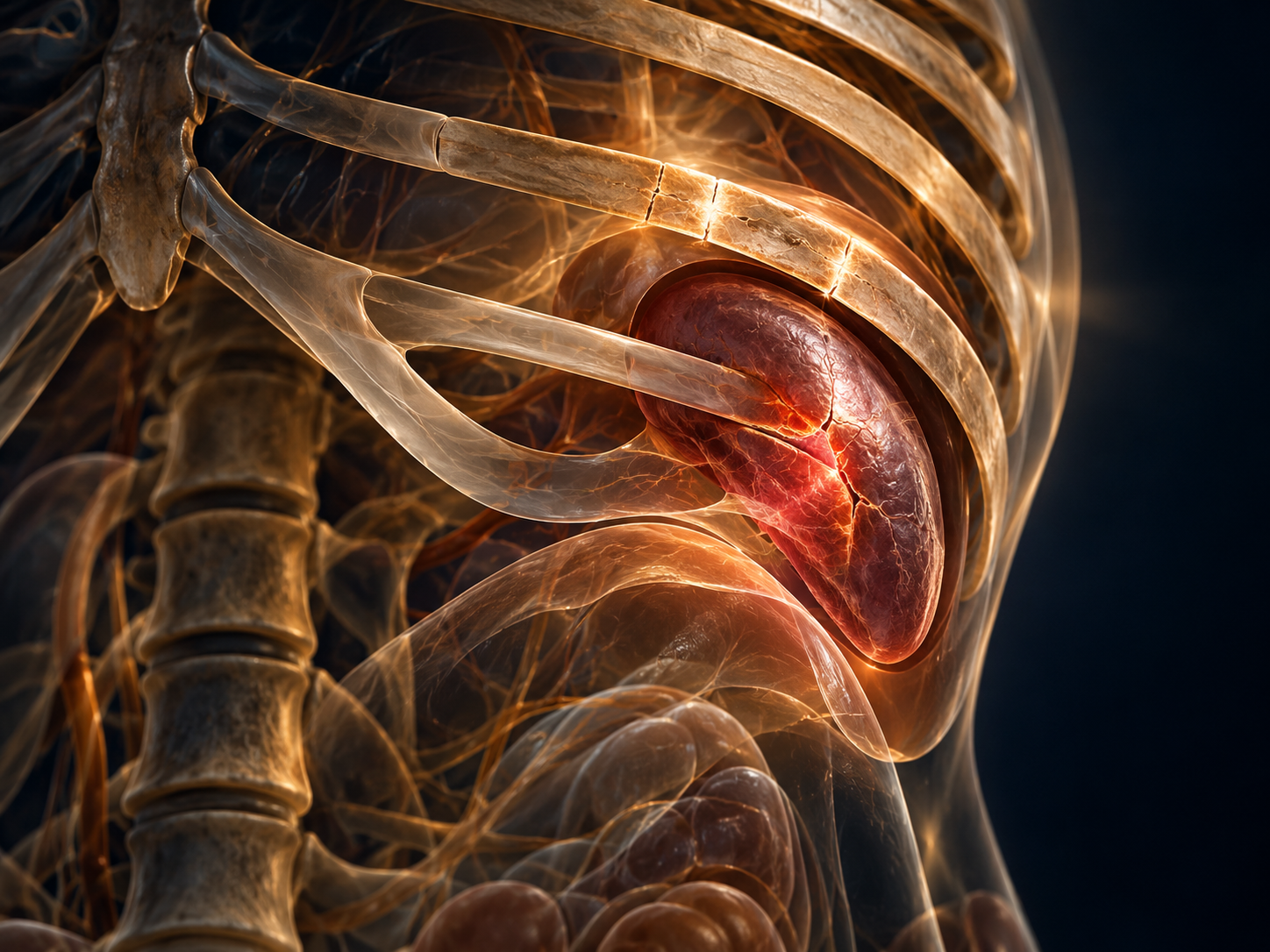
Splenic trauma and rupture
Splenic trauma can follow an accident or a blow to the abdomen. Learn about symptoms, diagnosis, and treatment options ranging from monitoring to surgery.