

Vascular conditions of the spleen
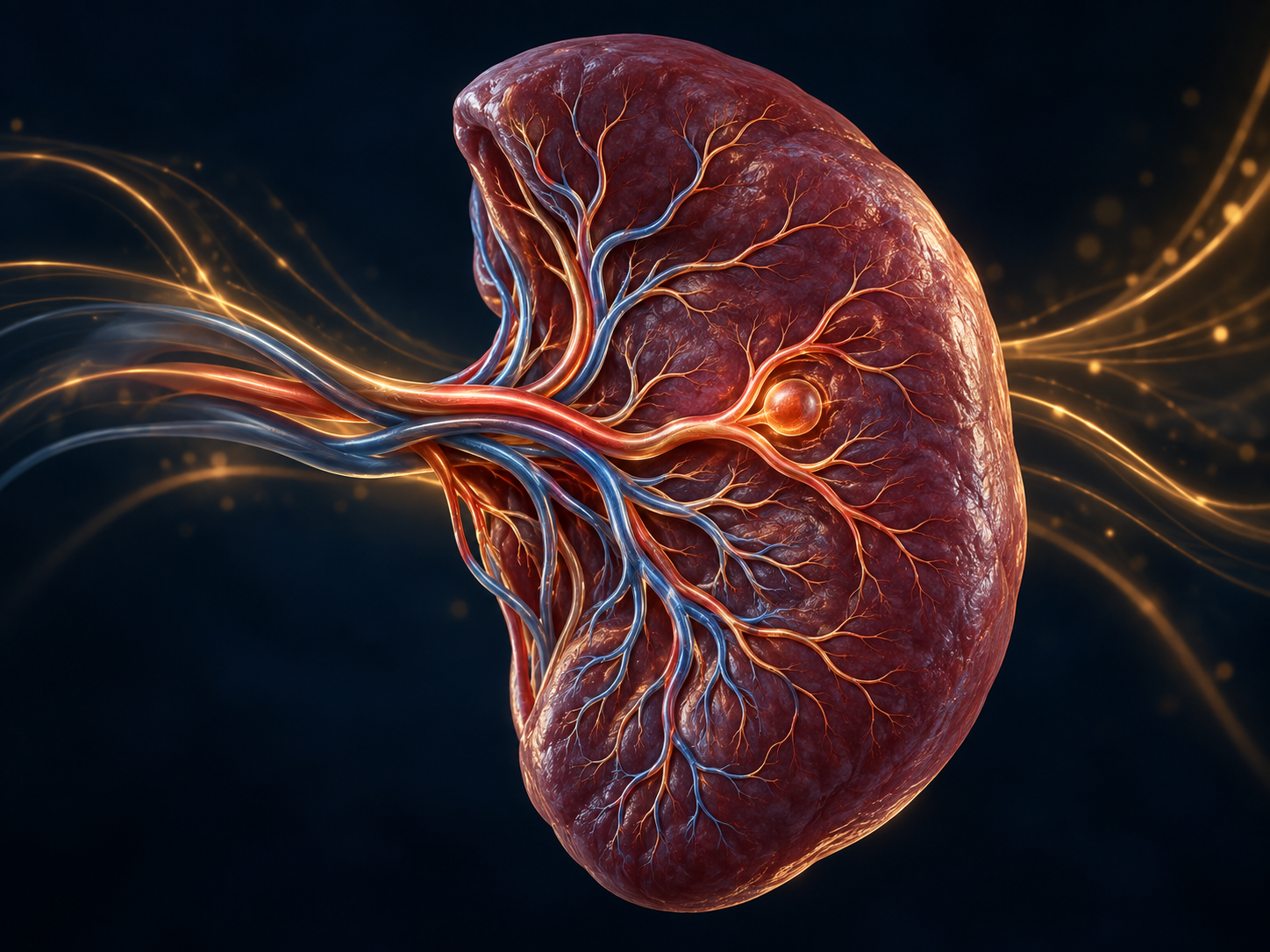
Conditions in this group
This group includes splenic infarction, splenic vein thrombosis, splenic artery aneurysm or pseudoaneurysm, and rare arteriovenous malformations.
How they develop
Splenic infarction occurs when the blood supply to part or all of the organ is interrupted, often because of embolism, hypercoagulability, a hematological condition, or infection. Splenic vein thrombosis may be associated with pancreatitis, pancreatic disease, portal hypertension, or thrombophilia. Splenic artery aneurysms may be diagnosed incidentally or become dangerous as they enlarge or rupture.
Symptoms, diagnosis, and treatment
Pain in the left upper abdomen, fever, or tenderness may occur with infarction. Splenic vein thrombosis may cause no symptoms or may present with complications of portal hypertension. Contrast-enhanced CT and, when indicated, angiographic examinations confirm the diagnosis.
Infarction is usually managed conservatively while the cause is investigated. Drainage or splenectomy is considered for complications such as abscess, rupture, or persistent uncontrolled pain. Splenic vein thrombosis is managed according to its cause and the overall vascular picture. A splenic artery aneurysm or pseudoaneurysm may require endovascular embolization or surgical repair.
Frequently asked questions
Is splenic infarction cancer?
No. It is a vascular problem affecting the blood supply, but the cause that produced it needs investigation.
Is anticoagulant treatment always needed?
The decision depends on the cause, extent of thrombosis, bleeding risk, and coexisting conditions.
When is an aneurysm treated?
The need for treatment depends on size, growth, symptoms, anatomy, and specific risk factors.
