

Hematological conditions that may require splenectomy
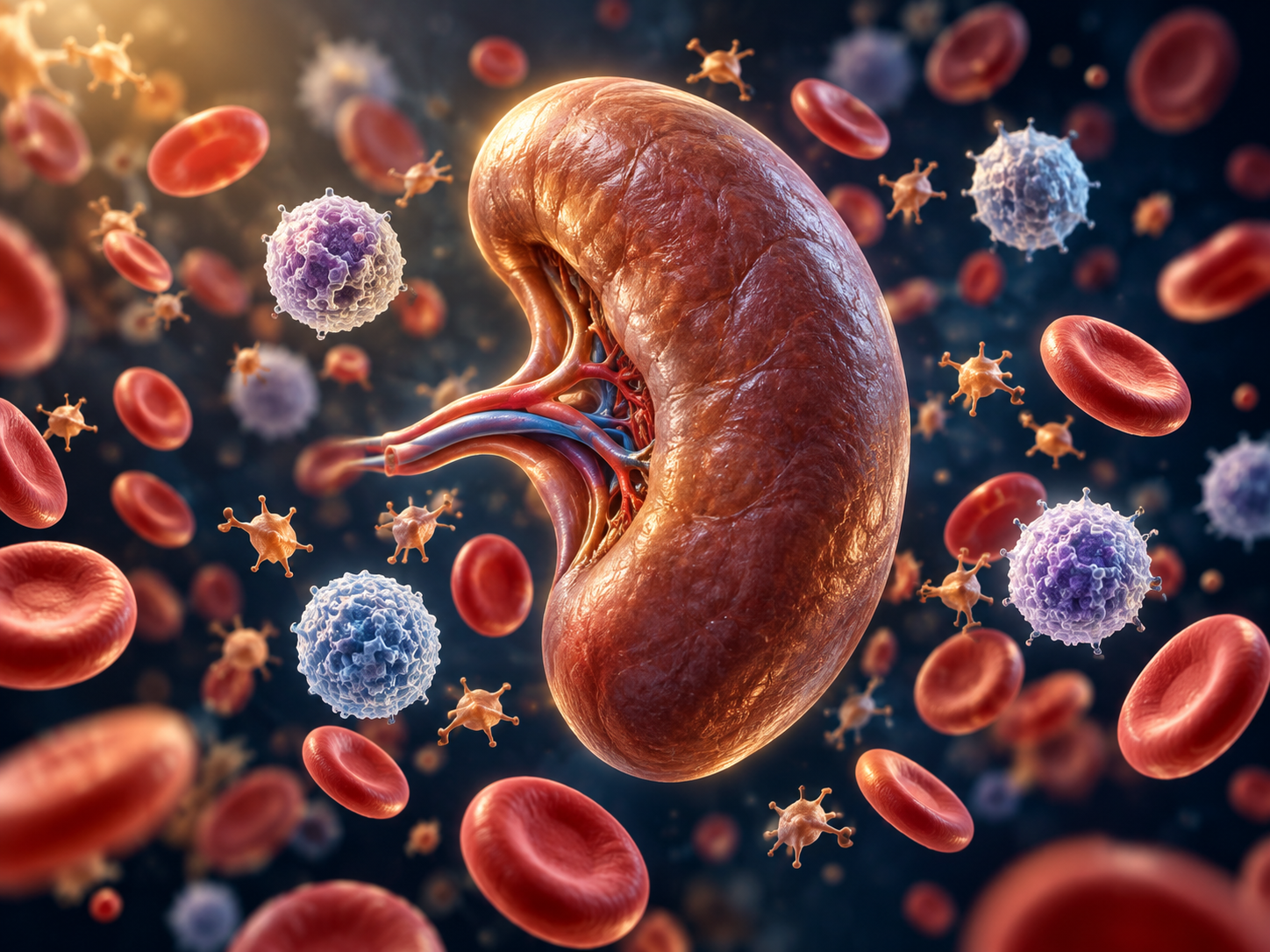
Conditions in this group
This group includes idiopathic thrombocytopenic purpura (ITP), autoimmune hemolytic anemia, hereditary spherocytosis, hereditary elliptocytosis, sickle cell disease with splenic sequestration, thalassemia with symptomatic splenomegaly, Felty syndrome, myelofibrosis, and selected leukemias or lymphomas with splenic involvement.
How they develop and how they are diagnosed
These conditions may cause anemia, thrombocytopenia, hemolysis, repeated transfusions, significant splenomegaly, or pressure from the enlarged spleen. Idiopathic thrombocytopenic purpura is associated with immune destruction of platelets and may present with petechiae, bruising, or bleeding.
Diagnosis and initial treatment are directed by a hematologist. Blood tests, a peripheral blood smear, and, when indicated, specialized immunological or genetic tests are required. Surgical assessment is undertaken when splenectomy may provide a meaningful therapeutic benefit.
Treatment
Splenectomy is not first-line treatment for all hematological conditions. In ITP, it is usually considered for persistent or relapsing disease after appropriate hematological treatment. In hereditary spherocytosis and selected hemolytic anemias, it may reduce hemolysis and transfusion requirements. In hematological malignancies, the decision is individualized and forms part of the overall treatment plan.
Frequently asked questions
Does splenectomy always cure ITP?
It may lead to a long-term response in selected patients, but it is neither suitable nor successful for everyone.
Why are vaccines needed before the operation?
After removal of the spleen, susceptibility to certain bacteria increases. Vaccination reduces this risk.
Will I need a hematologist after surgery?
Yes. Hematological follow-up remains important because the underlying condition and blood tests still require assessment.
